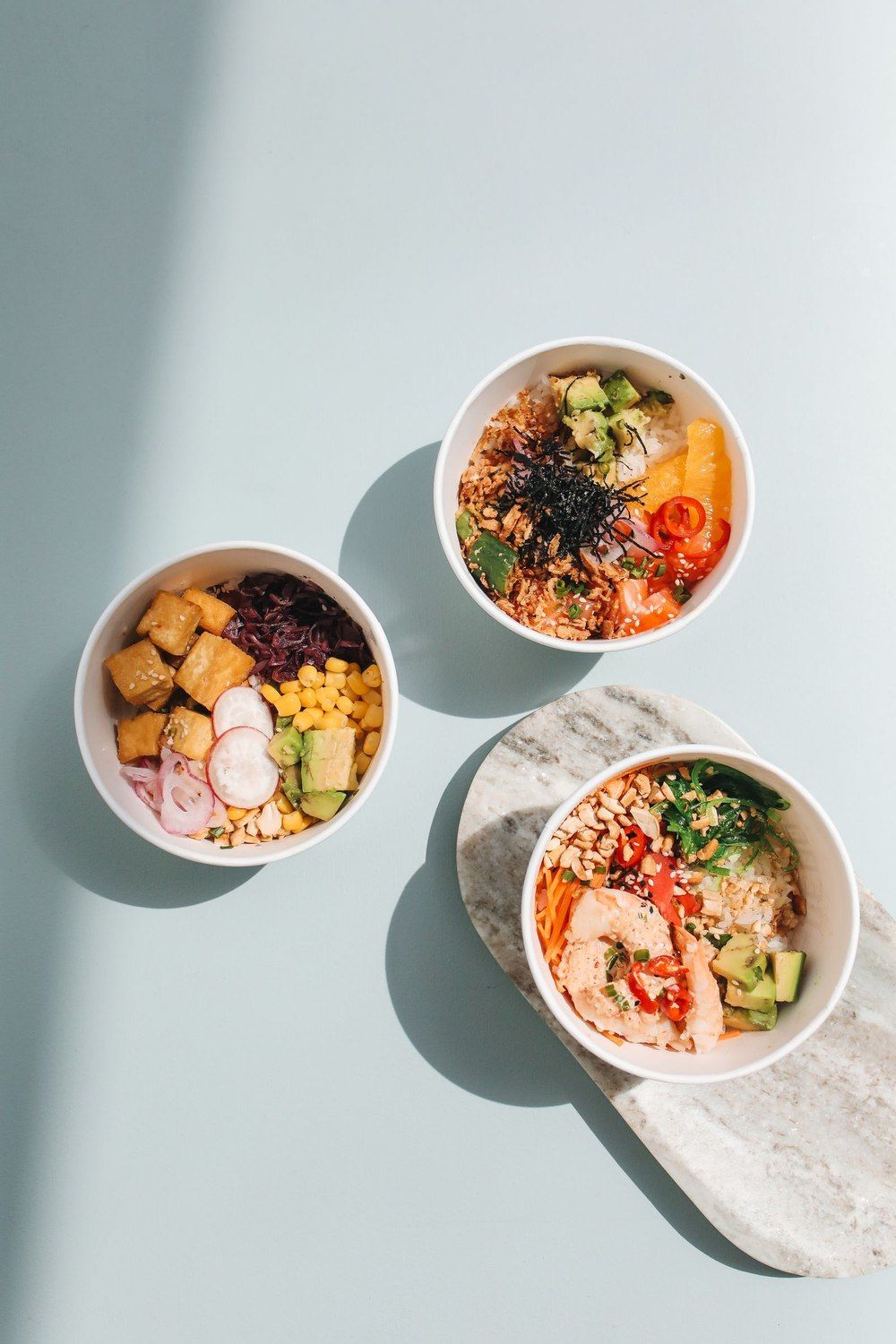
Most meal plans fail by Wednesday — not because the food is bad, but because the plan was built for a person who does not exist: someone with unlimited time, no leftovers and a fridge that magically stays fresh for seven days. This plan is built for a real week. It uses one simple plate formula, groceries that each get used at least twice, and leftovers that are planned safely — including the food-safety rule almost every meal plan leaves out. It is a flexible starting point for one generally healthy adult. Portions are suggestions, not calorie targets — adjust to your hunger, activity and needs, and swap any meal for allergies or foods you do not eat. On days when you want more protein, borrow from our quick high-protein vegetarian meals.
Build each plate with protein, vegetables, a smart carb and some healthy fat — and freeze anything you will not eat within three to four days.
The plate formula
Half the plate vegetables and fruit (mostly vegetables), a quarter protein, a quarter whole grains or starchy vegetables like potatoes, plus a thumb of olive oil or a small handful of nuts. In practice, a plate looks like this: vegetables you can heap — a fist or two; protein about the size of your palm; grains or potatoes about a cupped handful; and healthy fat roughly a thumb. This follows the Harvard Healthy Eating Plate, and it works because you never have to weigh a thing. Two details from Harvard are worth copying exactly: potatoes do not count as a vegetable on that plate — they sit with the grains and starches — and water, tea or coffee is the default drink, not juice or soda.
How much food is this, really?
The plan deliberately has no single calorie number, because honest plans cannot. The U.S. Dietary Guidelines estimate that most adult women need roughly 1,600 to 2,400 calories a day and most adult men roughly 2,000 to 3,000, depending on age and activity — a range so wide that printing "a 1,800-calorie plan" would be false precision for most readers. Instead, scale the plate: a smaller or less active person takes the portions as written; a bigger, taller or very active person takes seconds of the protein and grains, or adds the second snack. One number is worth aiming at: fiber. Guidelines set it at about 14 grams for every 1,000 calories you eat — roughly 25 grams a day for most women and 38 grams for most men. This plan is built to land near that without counting, because beans, lentils, oats, whole grains and vegetables show up every single day.
How the days are built
Day 1: Eggs and oats; chicken and rice bowl; lentil soup. Day 2: Greek yogurt with fruit; chickpea salad wrap; veggie stir-fry with noodles. Day 3: Smoothie and toast; leftover stir-fry; bean chili — make a double batch and freeze half for Day 7. Day 4: Oats with nuts; tuna and white-bean salad; pasta with vegetables. Day 5: Eggs on toast; quinoa bowl; grilled fish or tofu with greens. Day 6: Pancakes and yogurt; soup and a sandwich; homemade pizza on flatbread. Day 7: Omelet with whatever vegetables are left; the frozen bean chili over rice; a simple soup and grilled sandwiches made from whatever is left in the fridge. Every day follows the same plate formula, so swapping meals never breaks the plan. Add one snack a day wherever hunger actually shows up: fruit with a handful of nuts, Greek yogurt, cheese on crackers, or a small smoothie. A planned snack is what stops the late-afternoon kitchen raid that quietly derails most meal plans.
Prep once — safely
Cook a grain, a protein and a tray of vegetables on Sunday and mix them into different bowls — but only prep what you will eat by Wednesday. This is the rule most meal plans skip: the USDA's Food Safety and Inspection Service says cooked leftovers keep just 3 to 4 days in the fridge, and food should be refrigerated within 2 hours of cooking (within 1 hour if the room is hotter than 90°F / 32°C). So the safe rhythm is: a Sunday prep for Days 1–3, a 20-minute Wednesday top-up for Days 4–6, and the freezer doing the rest. Chili, soups and cooked grains freeze well for 3 to 4 months at best quality. When you reheat leftovers, heat them until steaming hot all the way through — the USDA's target is 165°F (74°C). Follow that one rule and "prep once, eat all week" stops being a gamble.
Portions and scaling
The plan is written for one adult eating three meals plus a snack. Cooking for two? Double the proteins and grains, and make about half again as many vegetables — appetites for vegetables vary the most. Cooking for a family? Keep the same formula and let everyone build their own plate at the table. Leftovers are planned, not accidental: several lunches in this plan are built from the night before, which is why the week gets easier as it goes, not harder — as long as each leftover is eaten inside its 3-to-4-day window or frozen.
Your grocery list
Shop by category and the week nearly cooks itself. Produce: leafy greens, tomatoes, cucumbers, carrots, peppers, frozen mixed vegetables, bananas, apples, lemons. Protein: eggs, Greek yogurt, chicken or tofu, lentils, chickpeas, beans, tuna, cheese. Grains: oats, rice, whole-grain bread and wraps, pasta, flatbreads, noodles. Pantry extras: olive oil, garlic, soy sauce, chili flakes, nuts and seeds, tahini or peanut butter, soup stock. Everything on this list gets used at least twice in the week, so nothing quietly rots at the back of the fridge.
Easy swaps
Vegetarian: every meat meal here swaps cleanly — chicken becomes tofu or chickpeas, fish becomes eggs or lentils. Dairy-free: use a plant-based yogurt and skip the cheese, then add tahini or nuts so the plate still feels rich. Gluten-free: trade bread, wraps and pasta for rice, potatoes and corn wraps. On a tight budget: frozen vegetables, dried lentils and beans, and eggs are the cheapest strong base there is — the plan works just as well built on those three, and the formula does not change. Allergies: swap the specific food, keep the category — a nut allergy means seeds or tahini instead of peanut butter; a fish allergy means eggs, tofu or beans step in. The formula survives every swap because it is built on categories, not ingredients.
A day in full: Day 1, portion by portion
It helps to see the formula on an actual plate before you trust it for a week. Breakfast is two eggs on whole-grain toast with a handful of spinach or tomatoes on the side — protein from the eggs, a smart carb from the toast, and the vegetable share. Lunch is a chicken and rice bowl: a palm-sized portion of chicken, a cupped handful of rice, half the plate filled with vegetables, and a thumb of olive oil as dressing. That is the formula at full size — protein, grain, vegetables, fat, all in their usual proportions. Dinner is lentil soup with whole-grain bread — protein and grain in one bowl, vegetables already simmered into the soup. The snack is Greek yogurt with fruit, which rounds out the day's protein without needing a full plate of its own. None of Day 1's groceries go to waste later in the week. The eggs come back on Day 5's breakfast. The lentils reappear as the base of Day 3's bean chili. The rice shows up again on Day 7, under the frozen chili.
Eating out without breaking the formula
The plate formula does not stop working the moment you sit down at a restaurant. The same questions apply: ask for vegetables or a side salad to cover half the plate, choose grilled over fried for the protein, and pick a whole grain or a plain potato instead of fries. Ask for water instead of soda or juice, which is the same default Harvard's plate uses at home. Most menus can be steered this way with small requests rather than a special order. A takeaway night is not a failed week. If dinner is pizza or a burger, add a side salad if one is offered, skip the second soda, and move on — the plan is a pattern you return to, not a streak you can break.
Water, tea and coffee: what counts as a drink
The Harvard Healthy Eating Plate's default drink is water, tea or coffee — not juice or soda, which add sugar without the fiber or chewing that makes food filling. For how much, the U.S. National Academies set adequate total water intake at about 3.7 liters a day for men and 2.7 liters a day for women. That total includes the water already in food — roughly a fifth of it — so it is not 3.7 liters of plain drinking water on top of meals; soups, fruit and vegetables are doing some of that work for you. Thirst is a reasonable guide for most healthy adults, so this is not a number to track with an app. Carry a water bottle, keep a glass at your desk, and treat tea and coffee as part of the count. The goal is simply to make water the easy default, the way the plate formula makes vegetables the easy default.
Five mistakes that quietly break a meal plan
Prepping all seven days into the fridge on Sunday. By Friday you are outside the USDA's 3-to-4-day leftover window. Freeze the later days instead. Skipping the snack, then raiding the kitchen at 5 p.m. Hunger is information, not failure — plan the snack. A protein-free breakfast. Oats alone will not hold you until lunch; add yogurt, eggs, nuts or seeds. Treating one off-plan meal as a ruined week. The plan is a pattern, not a test. The next meal is the only decision that matters. Drinking the calories the plate avoided. Juice and sweetened drinks add sugar without filling you up — the Harvard plate's default is water, tea or coffee for a reason.
Quick questions
How many calories are in this meal plan? There is no single number, on purpose. Eaten as written, a day lands in the middle of the typical adult range, and you scale it with portion size: the Dietary Guidelines put most women at roughly 1,600–2,400 calories a day and most men at 2,000–3,000, depending on age and activity. If you need a personal number, a dietitian can set one properly. Can I lose weight on this plan? It is built for balance, not as a weight-loss diet. Weight change depends on your total intake over weeks, and the plan's job is to make balanced eating the default — many people find that alone steadies things. Please do not slash the portions into a crash diet; if weight loss is your goal, get a target set for you by a professional. How long can the prepped food stay in the fridge? Three to four days for cooked food, per the USDA — refrigerate within 2 hours of cooking, keep the fridge at or below 40°F (4°C), freeze anything meant for later in the week, and reheat until steaming hot (165°F / 74°C). I am still hungry — is the plan too small? Then eat more of it. Add the snack, a bigger protein portion, or an extra handful of grains. A plan you are hungry on is a plan you will quit. Can I repeat days or swap the order? Yes — the days are interchangeable because every day follows the same plate formula. Many readers pair the plan with our beginner home workout; the two habits hold each other up. What if I have a health condition? This is general information, not a personal diet prescription. If you are pregnant, managing diabetes or any other condition, or taking medication that food affects, check with your doctor or a dietitian before following a set plan. Can I prep breakfasts too? Yes — overnight oats hold for about 3 days in the fridge, or make a batch of egg muffins; the same 3-to-4-day rule applies. What if I hate cooking? The plan still works. Rotisserie chicken, pre-washed salad, frozen vegetables, canned beans (rinsed), microwave rice and pre-cut fruit do the same job as their from-scratch versions. What matters is the plate formula, not whether you chopped anything yourself.
Sources and further reading
Written by the Trendora Editorial Team. Sources and further reading: Harvard T.H. Chan School of Public Health, The Nutrition Source — the Healthy Eating Plate (https://nutritionsource.hsph.harvard.edu/healthy-eating-plate/); U.S. Department of Agriculture and U.S. Department of Health and Human Services, Dietary Guidelines for Americans, 2020–2025 — estimated calorie needs and fiber goals (https://www.dietaryguidelines.gov); USDA Food Safety and Inspection Service — "Leftovers and Food Safety," the 3-to-4-day rule, 2-hour refrigeration and 165°F reheating guidance (https://www.fsis.usda.gov); MyPlate (https://www.myplate.gov) — balanced meals and portions; National Academies of Sciences, Engineering, and Medicine (formerly the Institute of Medicine), Dietary Reference Intakes for Water (2004) — adequate total water intake about 3.7 liters a day for men and 2.7 liters a day for women, including water from food.
General information only, not professional or medical advice.