Standing in front of a full closet in January, somehow freezing anyway — that is usually a layering problem, not a shopping problem. Most of us own enough warm clothes; what we get wrong is the order, the fabric or the fit. This guide fixes that with the 3-layer system outdoor experts have taught for decades, translated into normal outfits — a fitted base that manages moisture, a mid layer that traps warm air, an outer layer that stops wind and wet weather stealing both — and five named looks built from it, mostly from pieces you already own.
Thin, wicking base layer, one insulating mid layer, one weather-blocking coat. Repeat the same colors across all three.
The 3-layer formula, and why it works
Clothing does not make heat; your body does. Clothes keep you warm by holding still air close to you. Kansas State University textiles professor Elizabeth McCullough puts it plainly: adding a garment adds air trapped between layers and inside fabrics — and it is the still air that insulates. Loft is trapped air, so loft is warmth: squash it flat with a too-tight coat and you squash out the warmth; let wind through and it carries warm air away; get layers wet and water replaces the air, and you chill fast. Each layer gets one job. The base manages moisture: against your skin, it moves sweat away — REI calls this wicking — because damp skin chills you; warmth is not its main job. The mid layer insulates: a knit, fleece or light insulated jacket traps body heat and provides most of your warmth. The outer layer protects: it shields the other two from wind, rain and snow — as REI warns, if wind and water reach your inner layers, you can get seriously chilled.
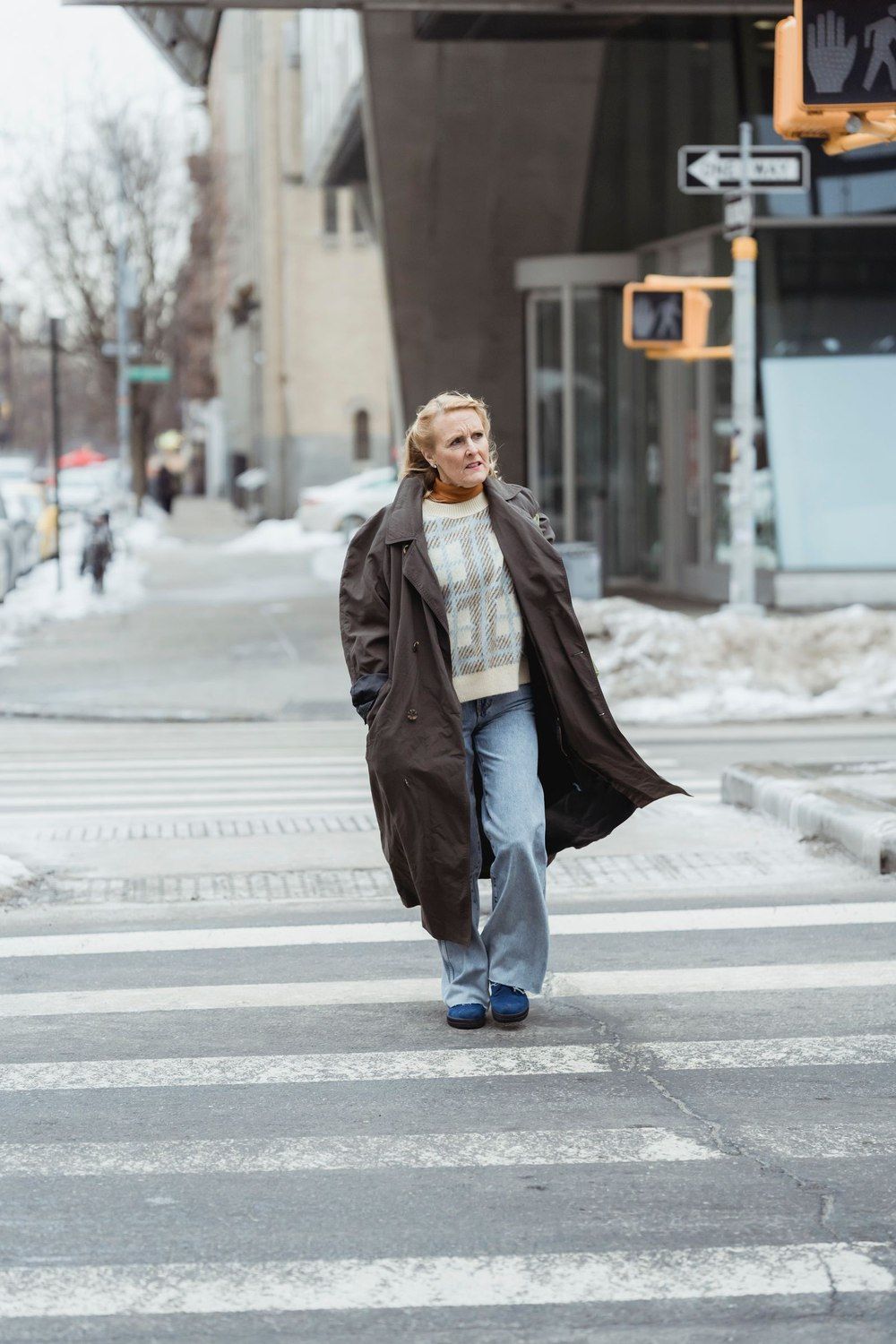

Fabric by fabric
Base — merino, synthetic, silk, cotton. Merino wicks well, feels warm when slightly damp, and naturally resists odour; it costs more, dries slowly when soaked, and is less durable than synthetic. Synthetics — polyester, nylon, polypropylene — wick and dry fastest, are durable and cheaper, but hold odour. Silk is the no-bulk option: thin under tailored clothes, but slower-wicking, best for low-exertion days. Weights, per REI: lightweight for cool or active days, midweight as the default, heavyweight for standing still in deep cold. Cotton deserves its warning: REI calls it a no-no in winter because it sponges up water and can chill you, and CDC says inner layers of wool, silk or polypropylene hold more body heat than cotton. It absorbs sweat instead of moving it, dries slowly, and loses insulation when wet. For a short, dry errand it is merely mediocre; for a long, cold day, the wrong tool. Mid — fleece, wool, down, synthetic fill. Fleece stays warm even if damp, dries fast and breathes well, but wind blows through it, so it needs a protective outer. Wool knits insulate with their fibres' natural crimp, which traps air: fine knit, warmth with little bulk; chunky knit, more loft and width. Down offers more warmth for its weight than any other insulation REI lists, but loses insulating efficiency when damp and dries slowly. Synthetic insulation keeps insulating when wet and dries quickly, for more bulk. Outer — be honest about what your coat blocks. A tailored wool coat gives structure and sheds light wind, but is not waterproof. A water-resistant coat handles drizzle and light snow; a waterproof shell or insulated parka is the storm option. Keep the closing test: the coat must close comfortably over the thickest mid layer you actually wear, without crushing it flat.
Dressing by temperature
No table can dress every body — wind, wet weather and activity change the answer, a caveat REI makes too. Use these bands, built from CDC and occupational cold-weather guidance, as starting points: one step warmer if you run cold, one step lighter if you move briskly. Cool, 40–50°F (4–10°C): lightweight base, fine knit, light coat. Cold, 32–40°F (0–4°C): midweight wicking base, fleece or warm knit, wind- and water-resistant coat, hat and gloves. Below freezing, 20–32°F (−7–0°C): midweight thermal base, top and bottom, warmer knit or fleece, insulated or heavy wool coat, hat, scarf, warm gloves. Deep cold, 0–20°F (−18 to −7°C): thermal base, heavy insulation — down in dry cold, synthetic fill in damp cold — windproof insulated parka, face-covering scarf, insulated gloves or mittens (CDC notes mittens are warmer than gloves), warm socks, insulated boots. Cover exposed skin.
Easy color pairing
Pick two neutrals and one accent: camel, black and deep green is a safe trio. Neutrals do the heavy lifting because every piece matches every other — black, camel, grey, navy, cream. The accent works hardest in small, swappable places — scarf, hat, gloves, bag. Staying tonal makes layers read as one long line, not three blocks. It is the same idea behind a capsule wardrobe: fewer colors, far more combinations.
The 5 looks, named
Look 1, Cozy Casual: merino or synthetic thermal top, chunky knit, straight jeans, ankle boots. The workhorse around freezing — keep everything under the knit slim. Look 2, Polished: fine merino base, fine knit, tailored wool coat, loafers with warm hidden socks, for dry, cold workdays. Also the easiest way to wear the quiet luxury look: clean lines, no logos, good fabrics. Look 3, Weekend: thermal base, fleece or wool-blend flannel-style mid, puffer jacket, fleece-lined leggings, sneakers. The puffer does two jobs — insulation and weather protection — so the mid stays light. Note: most flannel is cotton, so on damp or active days choose a wool-blend or synthetic version; thin fashion leggings alone are not a winter bottom layer — lined ones are. Look 4, Evening: silk or fine synthetic base, fine knit with a blazer over it, heeled boots. The blazer is a light outer layer for a short, low-exertion evening. Be honest about silk: it adds smoothness, not serious warmth — for a long walk in deep cold, swap in a merino base and the long coat. Look 5, Snow Day: thermal base, top and bottom; one genuinely insulating mid — thick fleece or a light synthetic-insulated layer; a long, insulated, water-resistant puffer or parka; scarf, hat and gloves in your accent color; waterproof boots. In wet snow the outer must repel water, and one good mid traps more usable air than two knits compressed under a coat — why this look replaces the original's double knits and fashion coat. Notice what repeats: the same base and coat appear in most looks; mainly the mid layer, bottoms and shoes change. A small group of hard-working pieces, rearranged.
Warmth without bulk
Bulk comes from two thick layers fighting, not from layering itself. Work thin to thick: fitted and smooth against the skin, loft in the middle, structure outside. Never compress the loft: if a mid layer bunches inside coat sleeves, choose a finer knit instead of forcing it. Stagger lengths so each layer shows a sliver of the one beneath — collar, cuff, hem — and the eye reads lines, not a block. Keep one zone fitted: a voluminous coat over a neat knit and straight trousers. Then add warmth where nobody sees it: a thermal base under a dress, fleece-lined tights under trousers, warm socks in smart boots, a thin fleece vest as an invisible extra mid. For skin the layers cannot cover, our winter skincare routine handles the wind-chapped side.
Common layering mistakes
Cotton against the skin on a long, cold day — including cotton socks, which leave feet damp and cold; wool or synthetic socks finish the system. Dressing only the torso: Kansas State's guidance is to cover as much of the body's surface as possible and distribute layers evenly — legs, head, hands, feet included. Gaps at neck, wrists and hem let warm air escape, so close them: scarf tucked in, sleeves snug at the wrist, base tucked in. Overheating, then chilling: open the coat or remove the mid layer before sweat soaks the base. Summer shoes with a winter outfit: cold feet make the whole body feel cold, and thin soles on ice are a safety issue.
Layering on a budget: start with what you own
Audit before you buy. Fitted long-sleeve tees and leggings become base layers — check the label: a synthetic or wool blend beats pure cotton on cold days, though a cotton blend is fine for mild, indoor-heavy days. A summer dress over a thermal base, with a knit on top and boots, is a genuine winter outfit. Your favourite knit is a mid layer; any coat that closes over it is an outer layer. If you buy, buy in the order the cold finds you: first one decent wicking base; then warm socks, hat and gloves; then, only if the closing test fails, a coat with room to layer — second-hand first.
FAQ
How do I layer without looking bulky? Thin and fitted against the skin, loft in one mid layer only, an outer layer roomy enough to close without crushing it. Stagger lengths, stay in one color family. What should I wear in 30-degree weather? At about 30°F (−1°C): a midweight thermal base, a fleece or warm knit, an insulated wind-blocking coat, hat, scarf, warm gloves, warm socks and boots. Walking fast, go lighter; standing still, warmer. Is cotton really that bad in winter? As a base on a long, cold, active day, yes: it absorbs sweat, dries slowly and loses insulation when wet — why REI calls it a winter no-no and CDC recommends wool, silk or polypropylene next to skin. Merino or synthetic base — which is better? Neither wins outright. Merino wicks well, feels warm when damp and resists odour, but costs more, dries slowly when soaked and wears faster. Synthetics wick and dry fastest, last longer and cost less, but hold odour. Down or synthetic insulation — which should I choose? Down gives the most warmth for its weight and packs smallest, but loses insulating efficiency when damp and dries slowly: best in cold, dry weather. Synthetic fill keeps working when damp and dries quickly, but is heavier and bulkier: best in wet weather. What if I overheat indoors? Build the outfit so the mid layer looks good on its own; then the coat comes off and the outfit still reads as finished. Remove a layer before sweat soaks the base and chills you later.
From the Trendora Editorial Team
Written by the Trendora Editorial Team. We build outfit guides from pieces most closets already hold, checked against the school run, the office and the bus stop — not just the photo.
Sources
REI Expert Advice — "How to Dress in Layers: Tips for Staying Warm" (Layering Basics; reviewed 23 Aug 2024) — the 3-layer system, base-layer wicking, fleece / down / synthetic mid layers, shell categories, cotton as a winter "no-no": https://www.rei.com/learn/expert-advice/layering-basics.html?related-style-id=235761 REI Expert Advice — "How to Dress in Cold Weather" — cold-weather layering examples and adjusting layers before you sweat: https://www.rei.com/learn/expert-advice/how-to-dress-in-cold-weather.html?related-style-id=C08500 REI Expert Advice — "Buying Down & Synthetic Insulated Jackets" (Down vs. Synthetic; updated 12 Nov 2025) — down is warmest for its weight but does not insulate when wet and dries slowly; synthetic offers warmth when wet and dries quickly: https://www.rei.com/learn/expert-advice/insulated-outerwear.html?related-style-id=243175 REI Expert Advice — "Backpacking Clothing & Layering System" — fabric basics for wool, synthetics, silk (slower wicking, low-exertion use) and cotton: https://www.rei.com/learn/expert-advice/backpacking-clothes.html?related-style-id=228167 Centers for Disease Control and Prevention (CDC) — "Safety Guidelines: During & After a Winter Storm" — several layers of loose-fitting clothing; hat; scarf or knit mask; sleeves snug at the wrist; mittens (warmer than gloves); water-resistant coat and boots; wool, silk or polypropylene inner layers hold more body heat than cotton; stay dry and remove layers to avoid excess sweating: https://www.cdc.gov/winter-weather/safety/stay-safe-during-after-a-winter-storm-safety.html Kansas State University Research and Extension, via Newswise — "Textiles Professor Says Layering, Hats Key to Staying Warm" — Prof. Elizabeth McCullough on trapped still air as the insulation, and covering as much of the body's surface as possible with layers distributed evenly: https://www.newswise.com/articles/textiles-professor-says-layering-hats-key-to-staying-warm UCSB Science Line — "How does the type of fabric affect the ability to insulate?" — loft, trapped still air, wind permeability and why layering multiple fabrics works: http://scienceline.ucsb.edu/getkey.php?key=4600 HEATJAC Knowledge — "What to Wear by Temperature, Wind, Activity" — temperature-band synthesis of NIOSH, CCOHS, CDC and National Weather Service layering advice, used only as a starting-point framework for the bands in this article (labelled by its publisher as an editorial synthesis, not an official standard): https://www.heatjac.com/knowledge/what-to-wear-by-temperature
General information only, not professional or medical advice.